Up in Arms
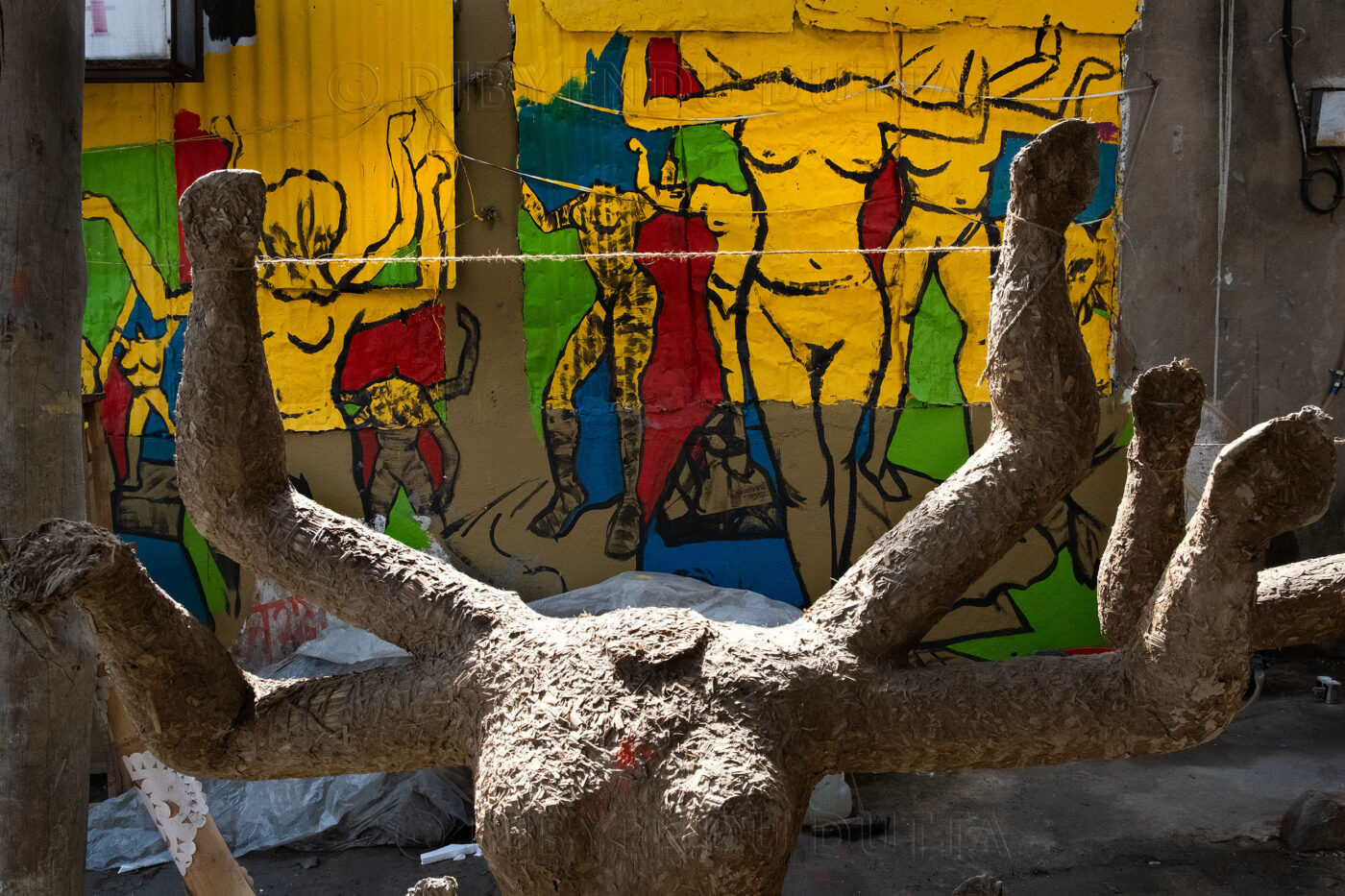
This photograph was taken in April 2019, on the streets of Kolkata near Kalighat. Then, it was only a moment—fleeting, unassuming, absorbed into the everyday rhythm of the city. Today, in 2026, the same image carries a weight it did not possess before. Time has altered its meaning. Reality has caught up with it.
The years in between have been scarred by an intensification of violence against women—violence that can no longer be muted, rationalised, or buried under polite silence. The collective outrage that erupted after the R. G. Kar rape and murder case in 2024 was not sudden. It was the breaking point of a wound long left untreated. What followed was not merely protest, but an awakening—a reckoning that had been postponed for generations.
This uprising was inevitable. It rose from years of accumulated silence, from institutional indifference, from lives reduced to statistics and files. Society had learned to look away, and the cost of that avoidance became unbearable. Yet even now, the change feels fragile, incomplete. One amended law, one speech, one headline cannot undo decades of systemic neglect. What we are witnessing is not transformation, but exposure—truths long submerged now forced into the open, raw and undeniable.
And still, hands remain tied.
Caught within the machinery of administration, judiciary, and law enforcement, justice often stalls. Institutions meant to protect instead appear aligned with political convenience, driven by power, optics, and personal mileage rather than empathy for victims or accountability to their families. The arms may lift in gestures of concern, but the hands rarely move. Procedure replaces compassion. Delay replaces justice.
Yet, within this unrest, hope persists.
Anger, when sustained and sharpened by purpose, becomes a force. It refuses to settle. It refuses to forget. This movement must not dissolve into symbolism or be pacified by temporary assurances. It must grow—steadier, louder, more relentless—until justice is no longer an exception wrested through struggle, but a certainty embedded in conscience and action.
This photograph now stands not as a record of the past, but as a witness to the present—a reminder that being held by power means nothing when hands remain bound, and that liberation begins only when those hands are finally freed.