Birds in Flight
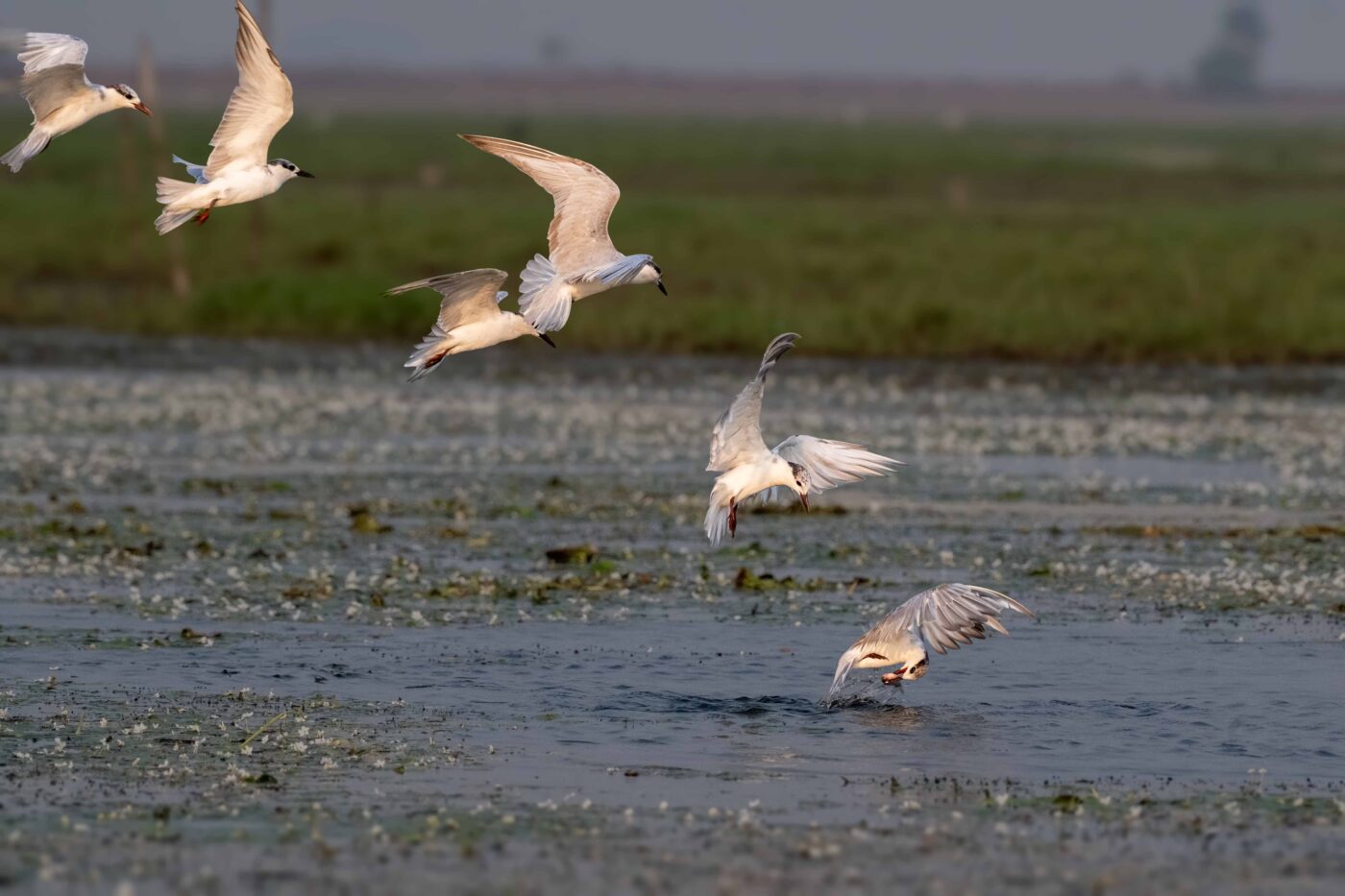
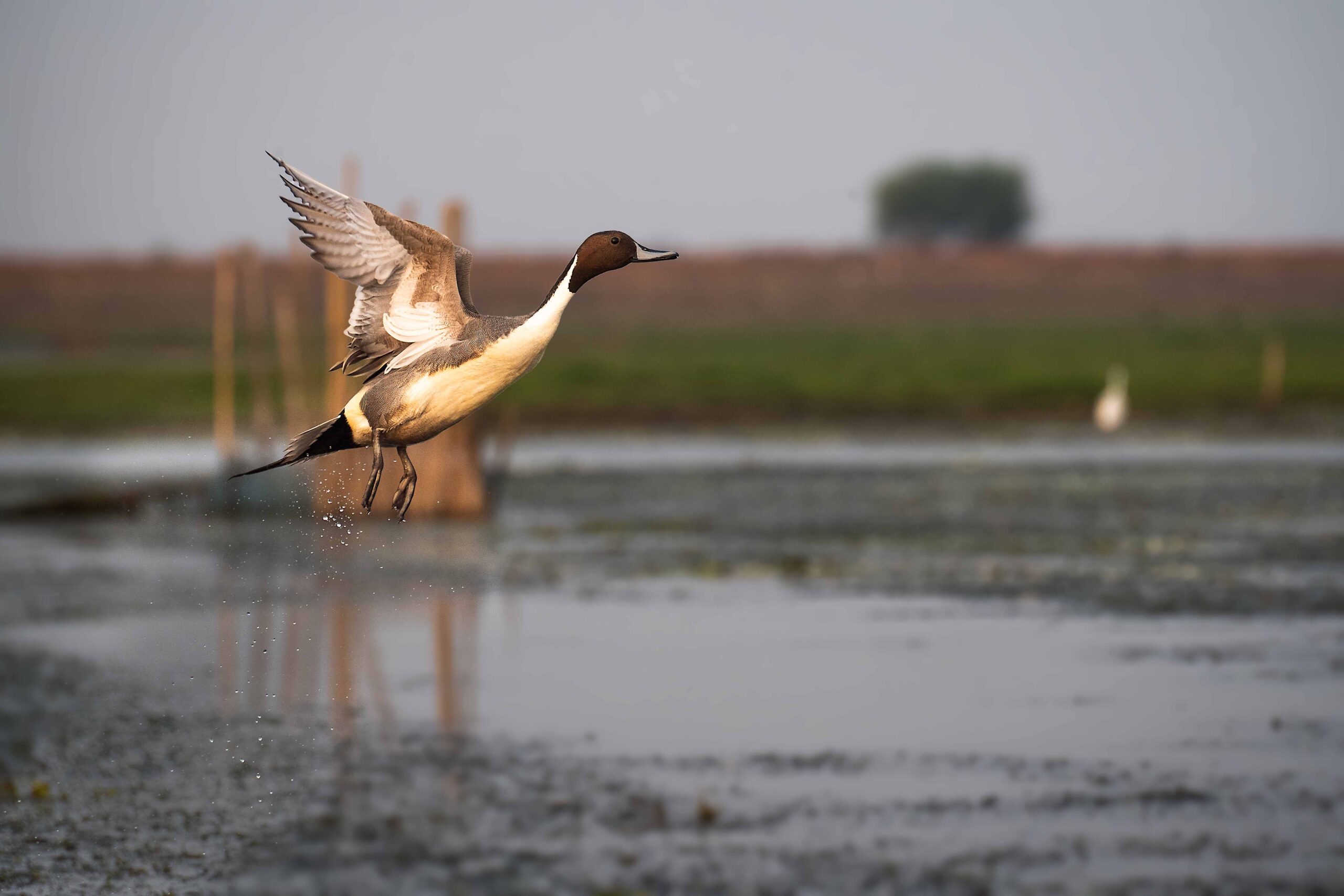
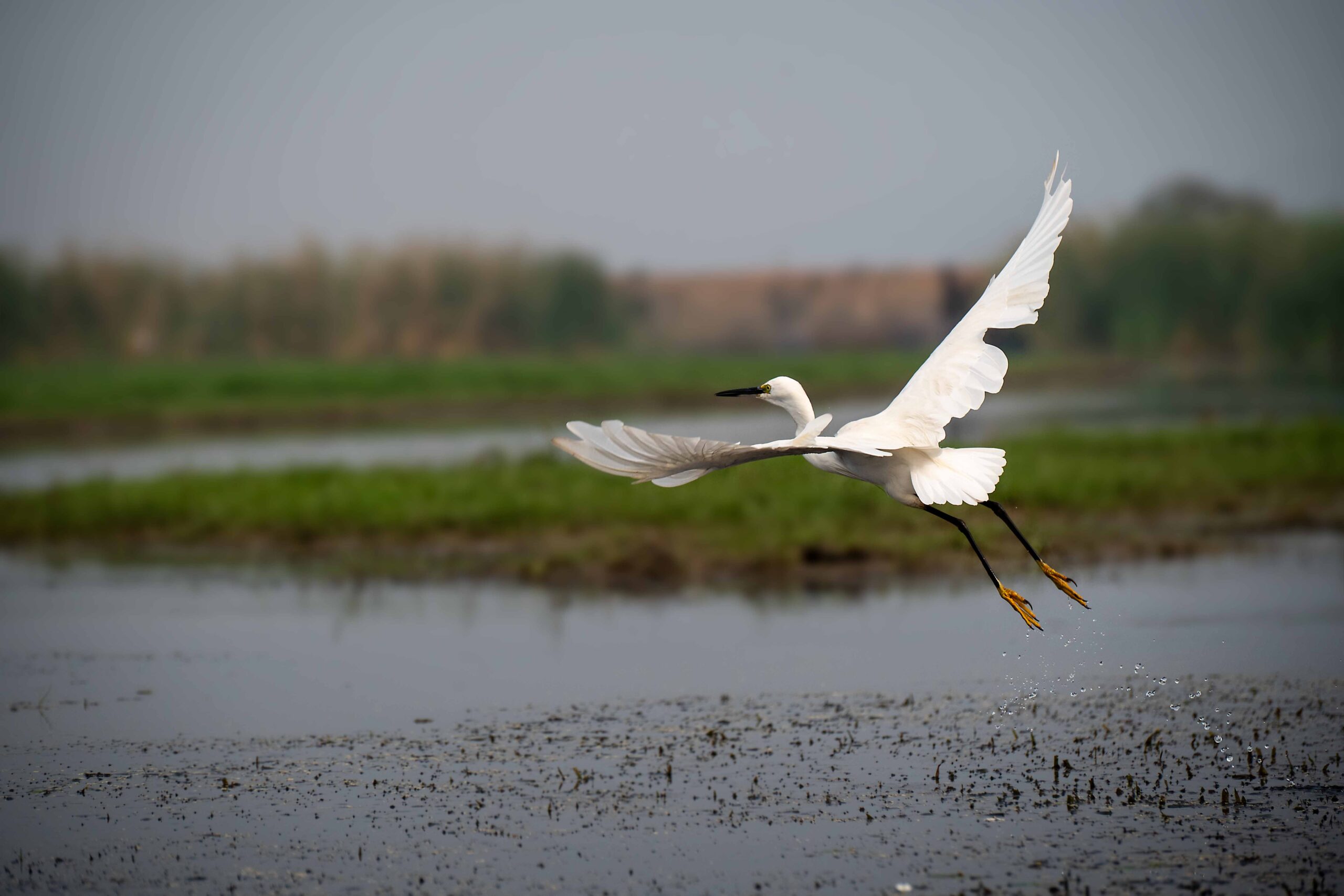
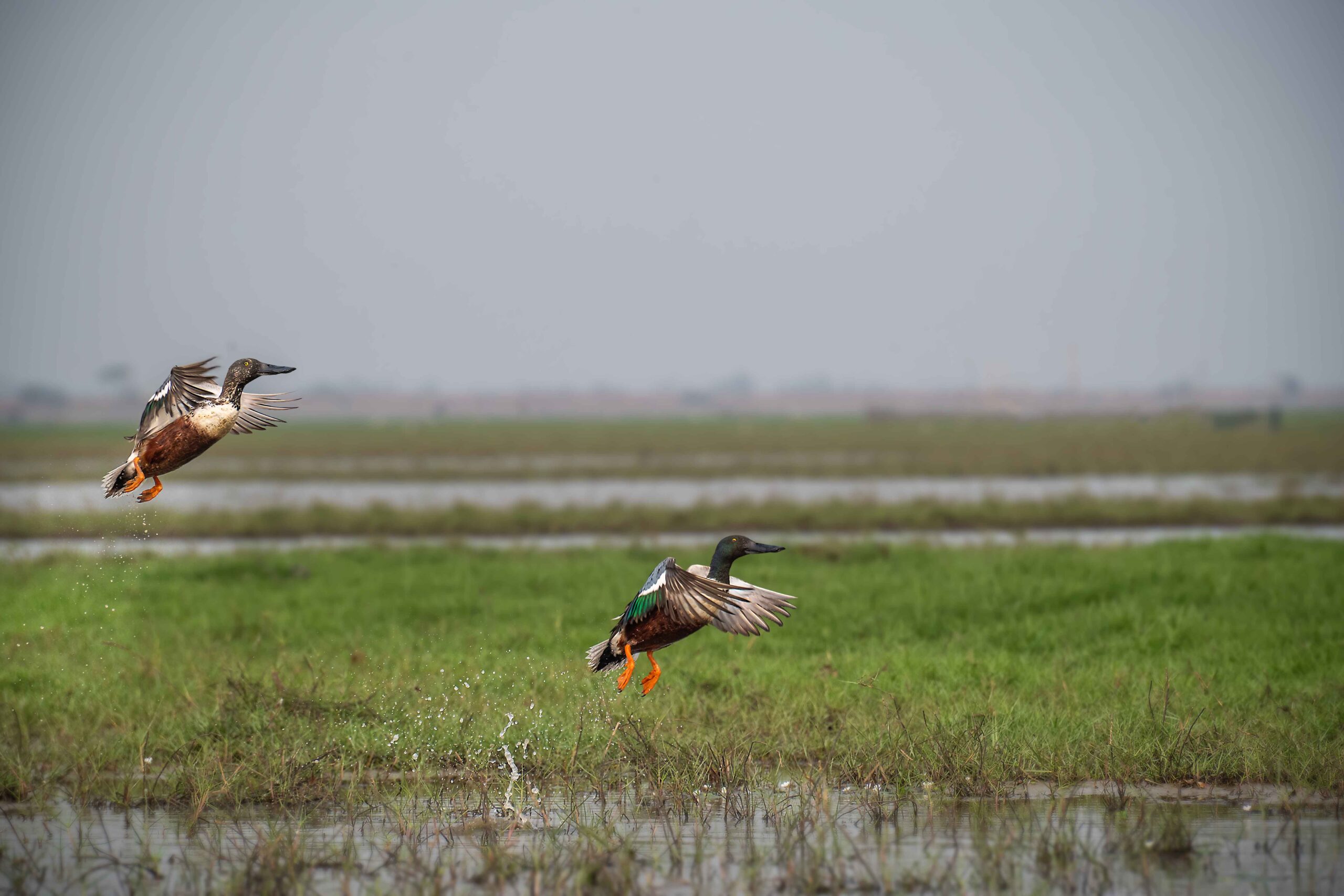
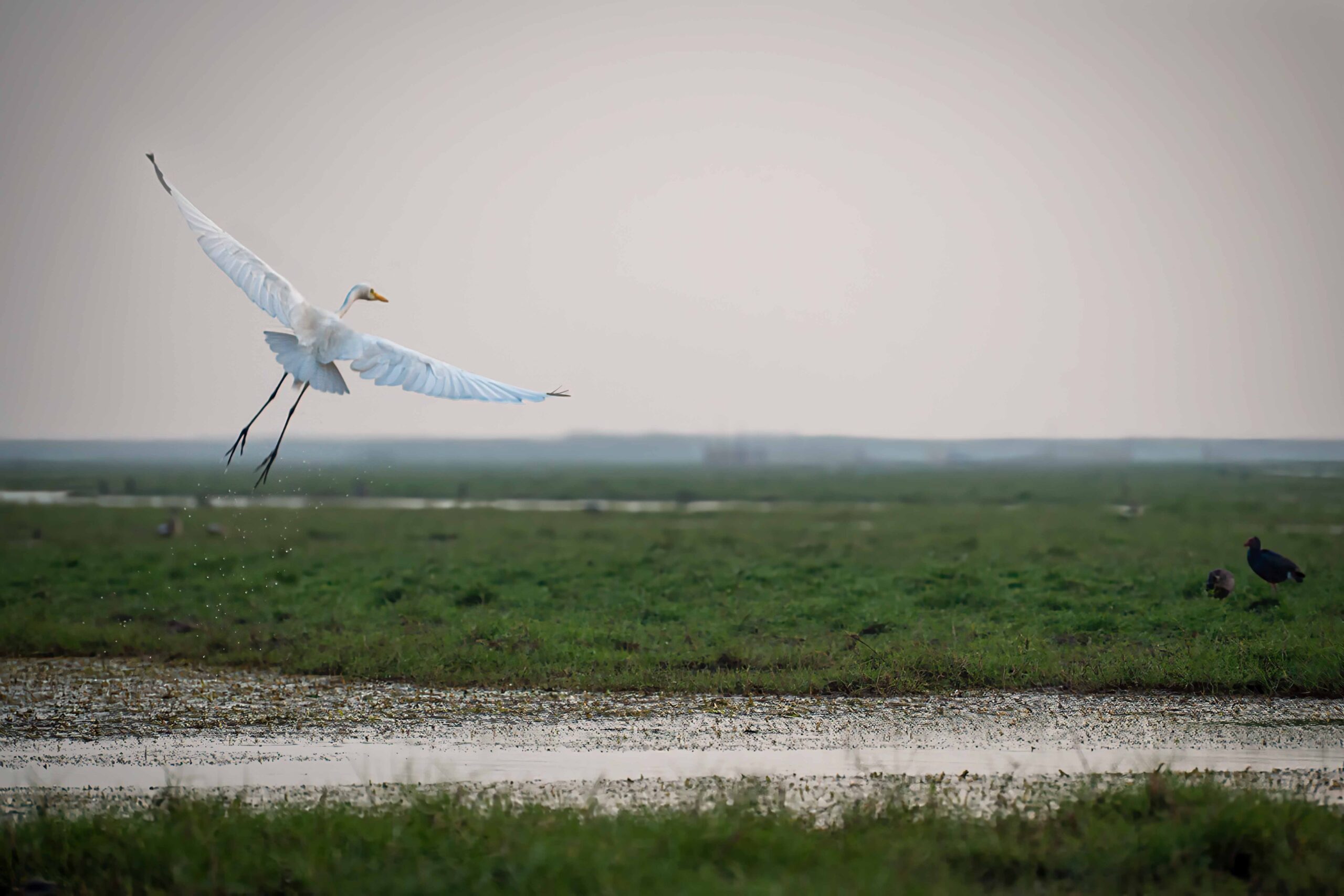
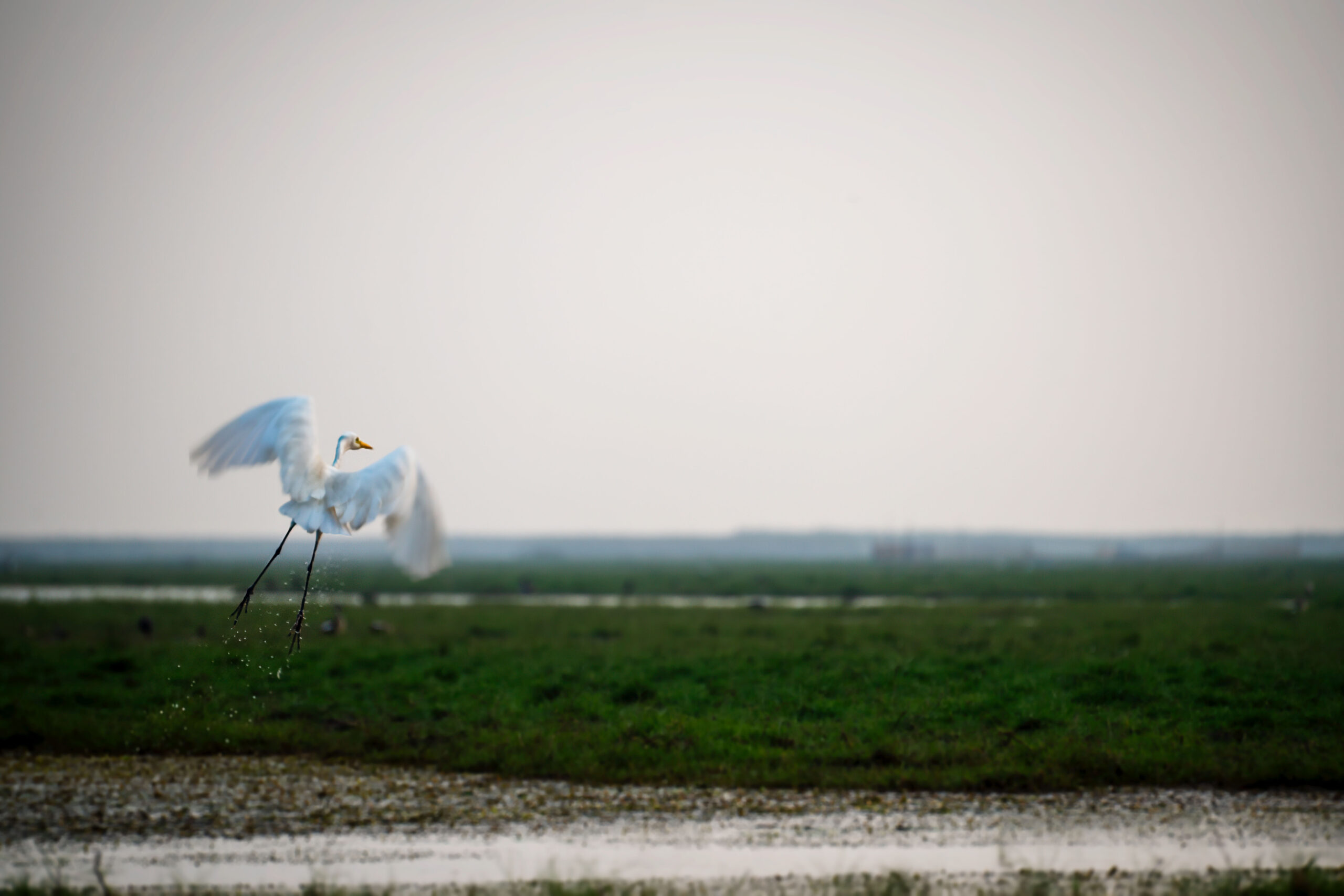
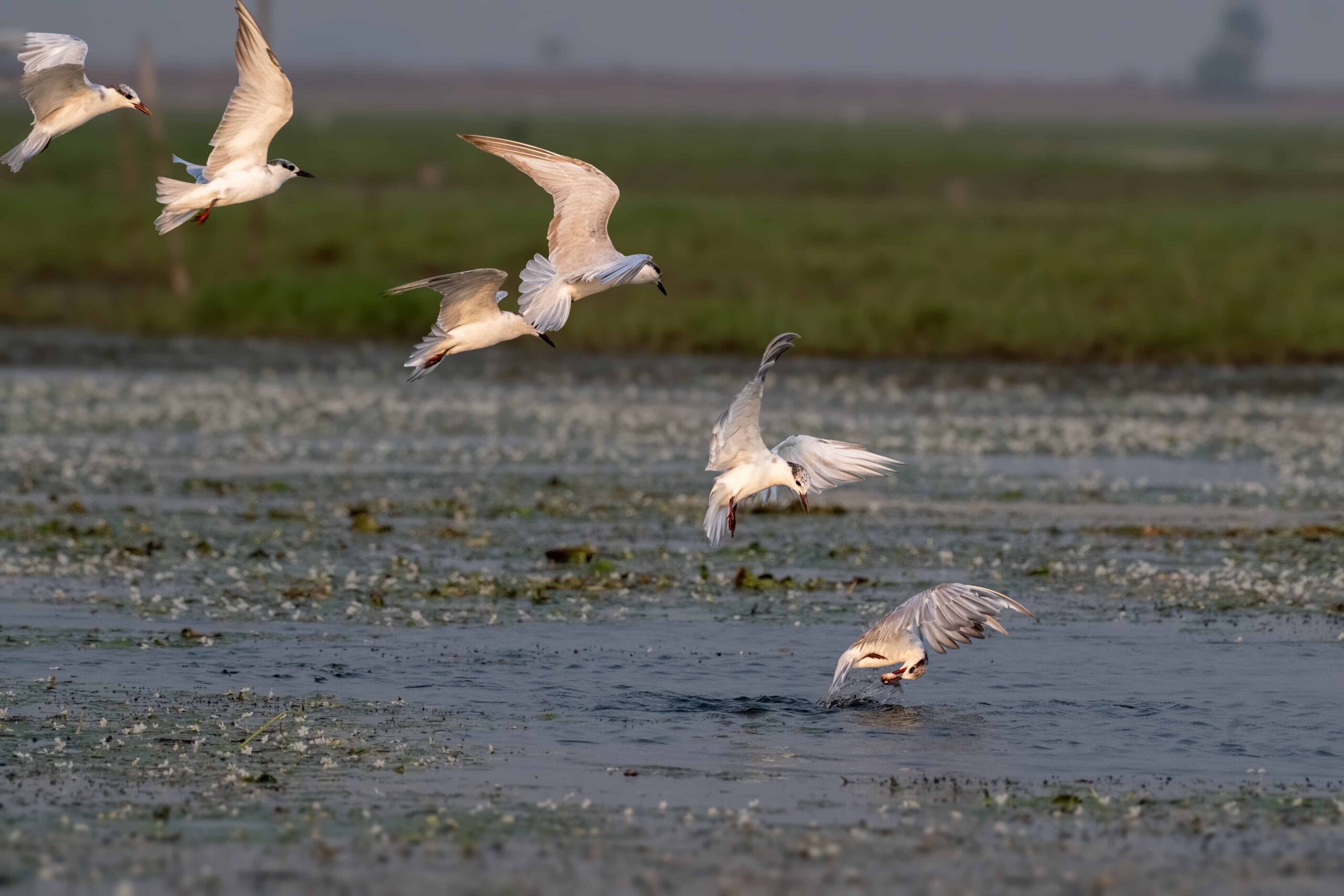
I am not, by practice, a wildlife or bird photographer. My journey to Mangalajodi was born simply out of curiosity—the quiet urge to see a place I had often heard about. Yet the visit unfolded into something unexpectedly beautiful.
Mangalajodi lies along the northern edge of Chilika Lake, Asia’s largest brackish water lagoon and one of India’s most important wetland ecosystems. Located in Odisha, not far from the borderlands that gradually drift toward Andhra Pradesh, the landscape carries the rustic rhythm of the eastern countryside—simple homes, open skies, and vast marshlands stretching quietly into the distance.
Since bird photography was never my primary pursuit, I arrived without the usual equipment. My long telephoto lens was borrowed from a friend, a gesture that allowed me to step briefly into a different world of observation. But once I reached Mangalajodi, I realised that the experience would be less about equipment and more about immersion.
The wetlands here are famous for their incredible congregation of migratory birds that travel thousands of kilometres from Central Asia, Siberia, and northern Europe during winter. Vast reed beds, shallow water channels, and floating vegetation create a sanctuary where species such as herons, jacanas, egrets, ducks, and countless waders gather in astonishing numbers.
To explore this delicate habitat, we ventured out in a small, narrow country boat—just wide enough for two people, propelled quietly by rowing through the winding channels of the marsh. Almost immediately it became clear that Mangalajodi is not a place shaped by heavy tourism. Its character remains largely untouched. The stillness of the wetland, however, is sometimes broken by motorised fishing boats that pass through the water, reminding one that this landscape is also a livelihood for the local community.
Yet beyond those occasional interruptions, the place returns quickly to its natural rhythm. The air fills with the constant murmur of birds—calls, wings brushing the water, distant flocks rising suddenly into the sky. The marshlands seem to breathe with life, yet maintain an extraordinary calmness.
For two days we spent nearly seven hours each day on those small boats, drifting slowly through the wetlands. Time dissolved there. The silence of the water, the soft movement of reeds in the wind, and the endless chorus of birds created a feeling of deep peace—one of those rare places where nature quietly restores the mind.
What began as a simple visit driven by curiosity became a profound experience of observation and stillness. In Mangalajodi, one does not merely photograph birds; one learns to sit patiently within their world and listen to the quiet pulse of a living wetland.